Anatomy of a peace mission.
A Rotary peace mission brings many kinds of help to one place at one time. In Cambodia, that meant teeth, hands, eyes, a school, and a day spent remembering why peace matters.
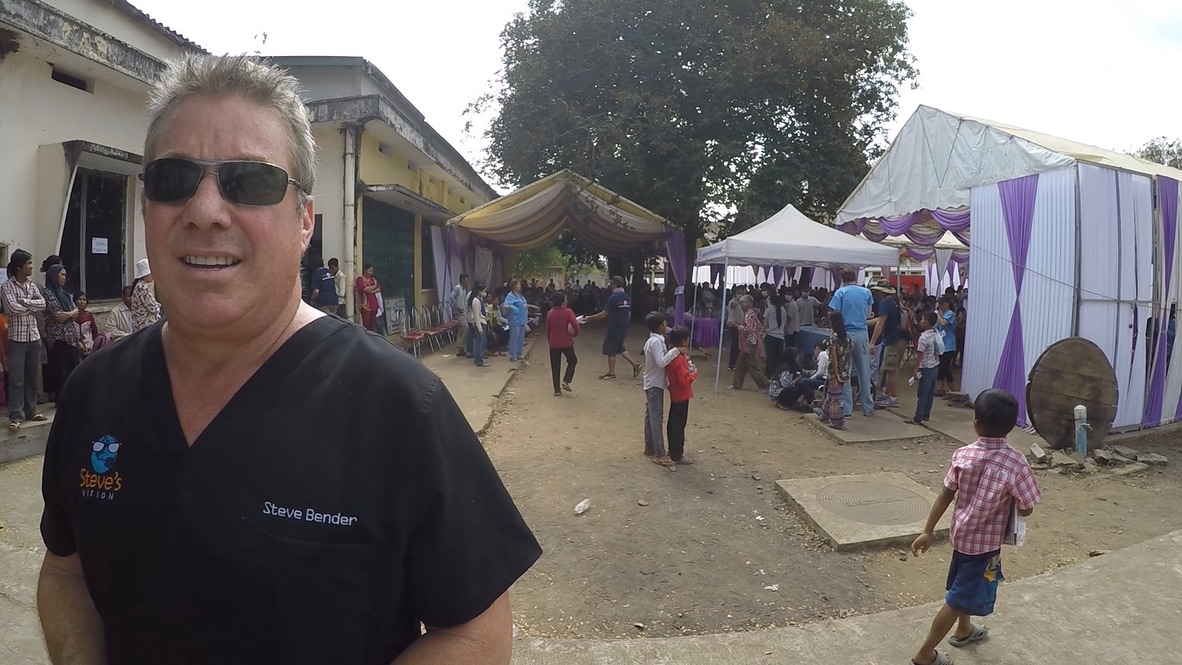
Many kinds of help, one trip.
Dental care
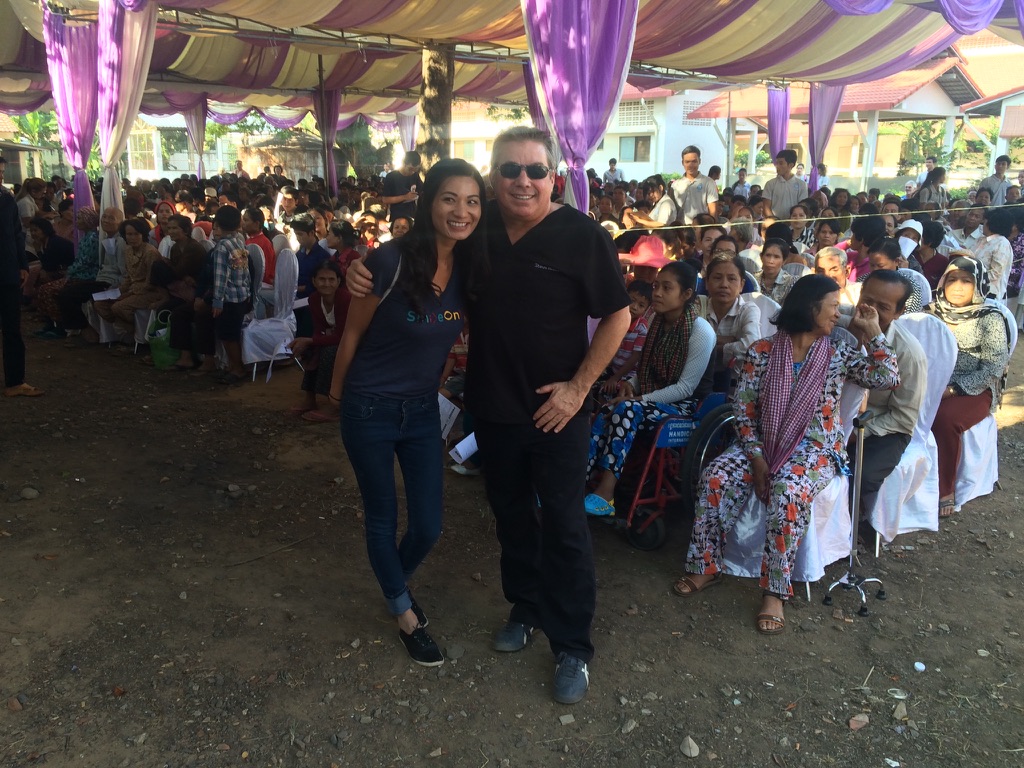
Our dental team treats patients all day under the tents, from extractions to restoring children's front teeth so they can smile, and go to school, again.
Prosthetic hands
LN4 hands are fitted for landmine survivors and others who lost a hand. Each new owner tests it by writing a thank-you card to Rotary.
Read about LN4 handsEye surgery
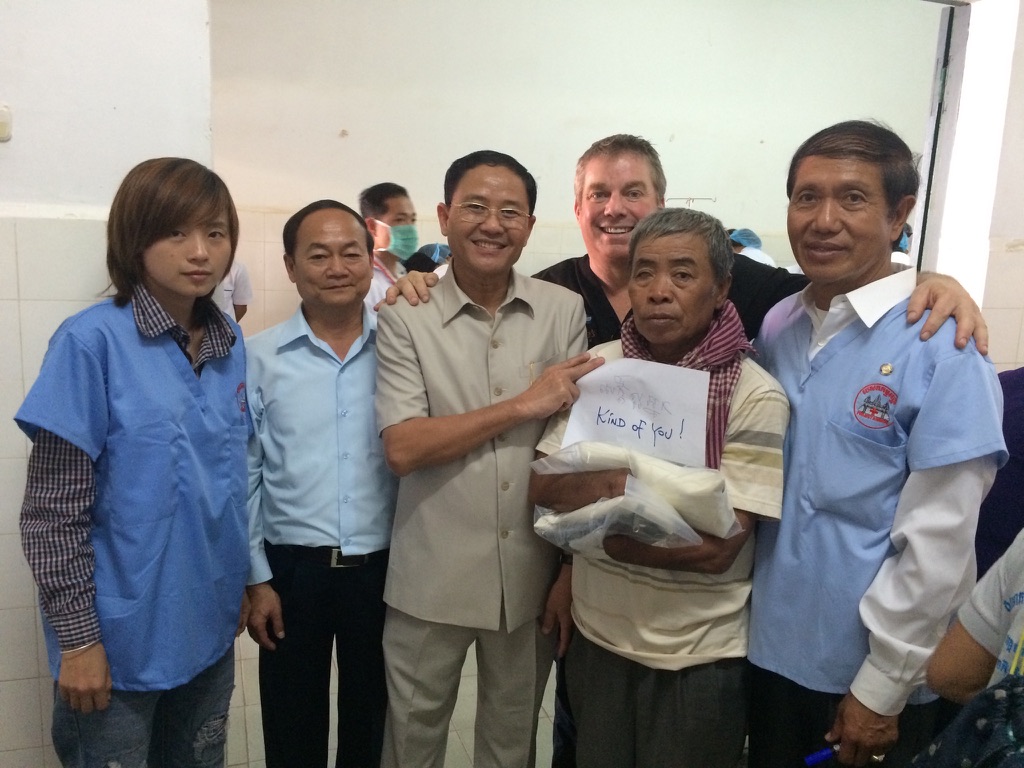
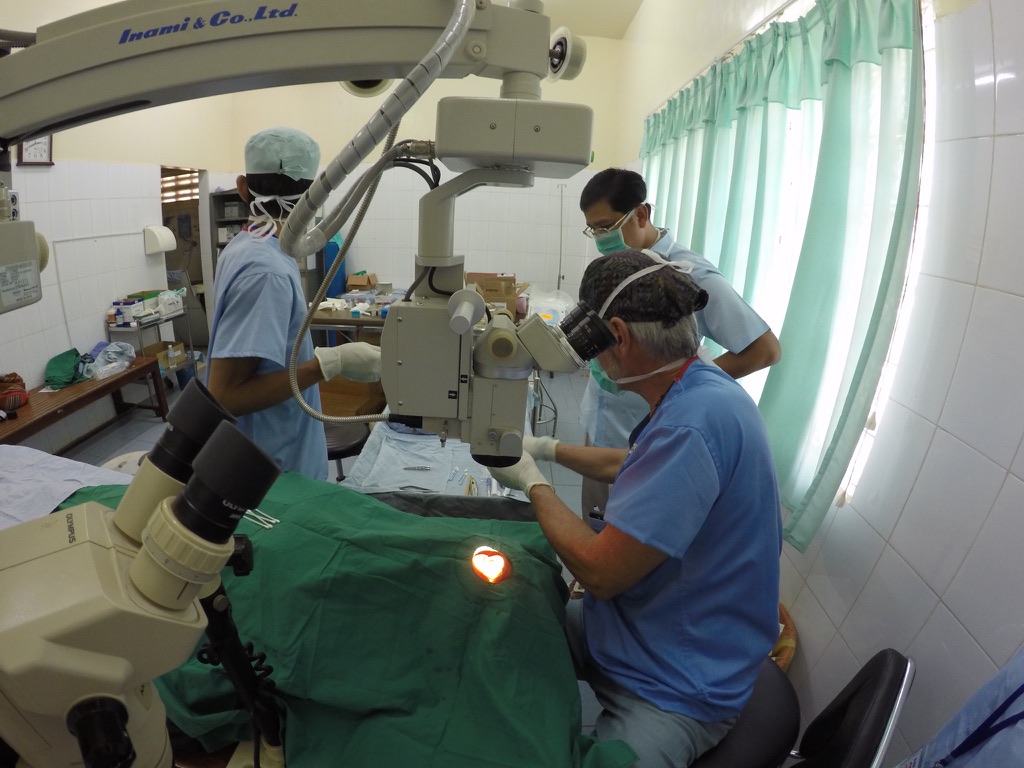
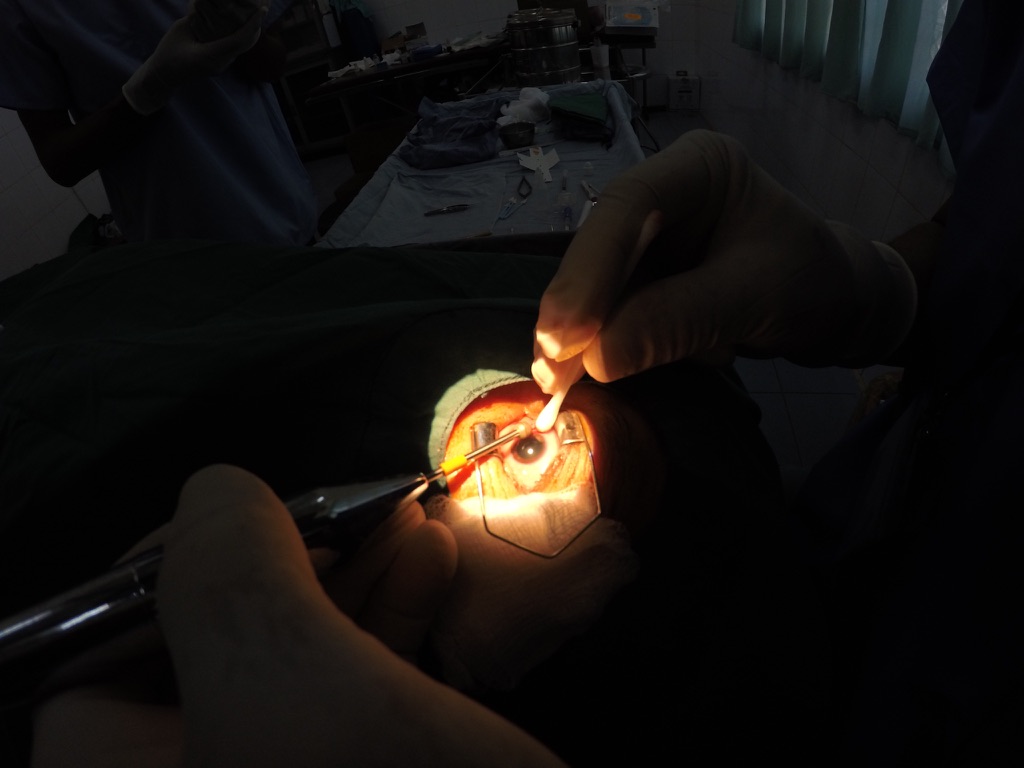
Surgeons operate in the clinic's surgical room, restoring sight to patients who have been living in the dark. For many, one operation means they can work, read and see their grandchildren again.
Steve's Vision reading glasses
Steve's Vision gives free reading glasses to people who can no longer see up close, at clinics, schools and temples around the world.
See the glasses in actionChildren at the landmine school
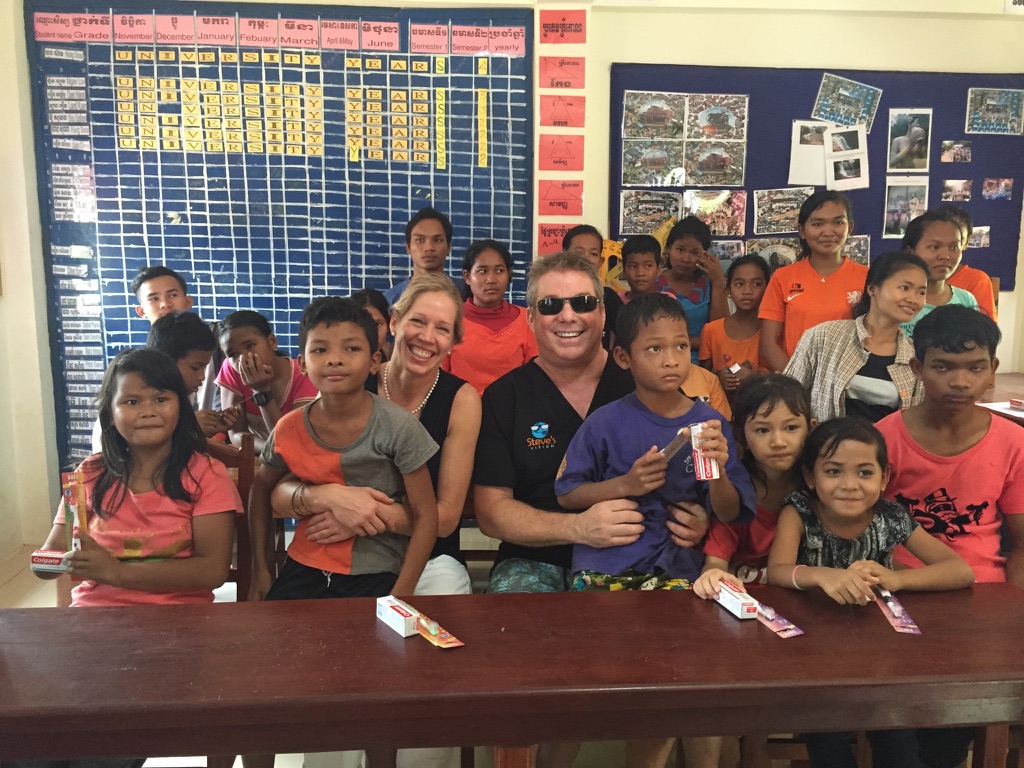
Volunteers from our Oral Hygiene Initiative (OHI) visit the school at the Landmine Museum in Siem Reap, giving children fluoride treatments and lessons in caring for their teeth.
More teeth than dentists.
The line for the dental station never seemed to end. There were more teeth to pull than we had dentists to pull them, so Steve rolled up his sleeves and helped. Under the supervision of dental university faculty, he worked alongside the dental team until the last patient was seen.
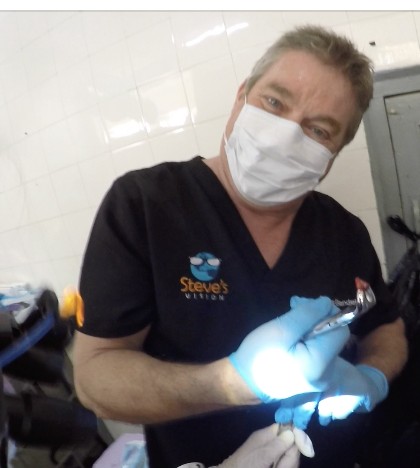
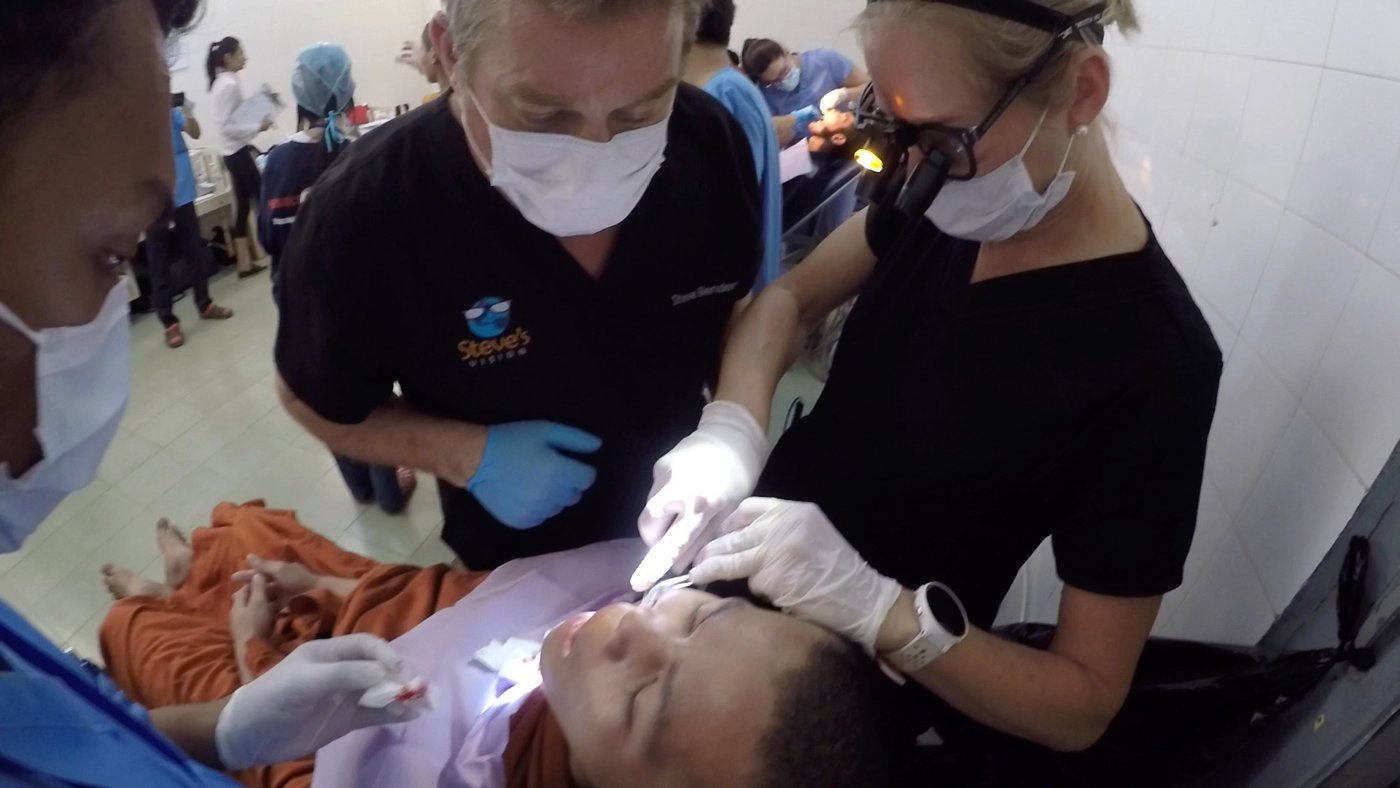
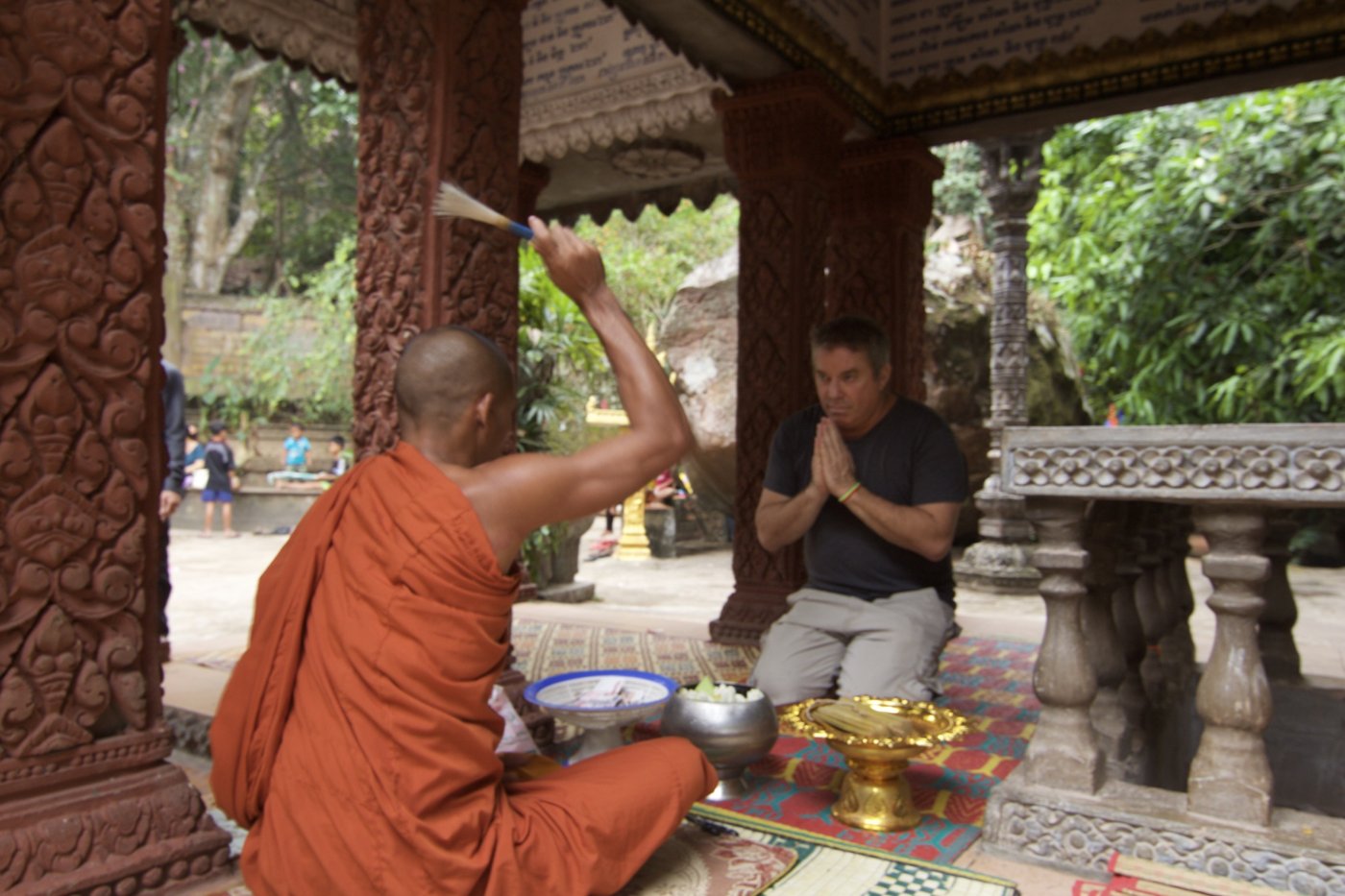
A blessing in return.
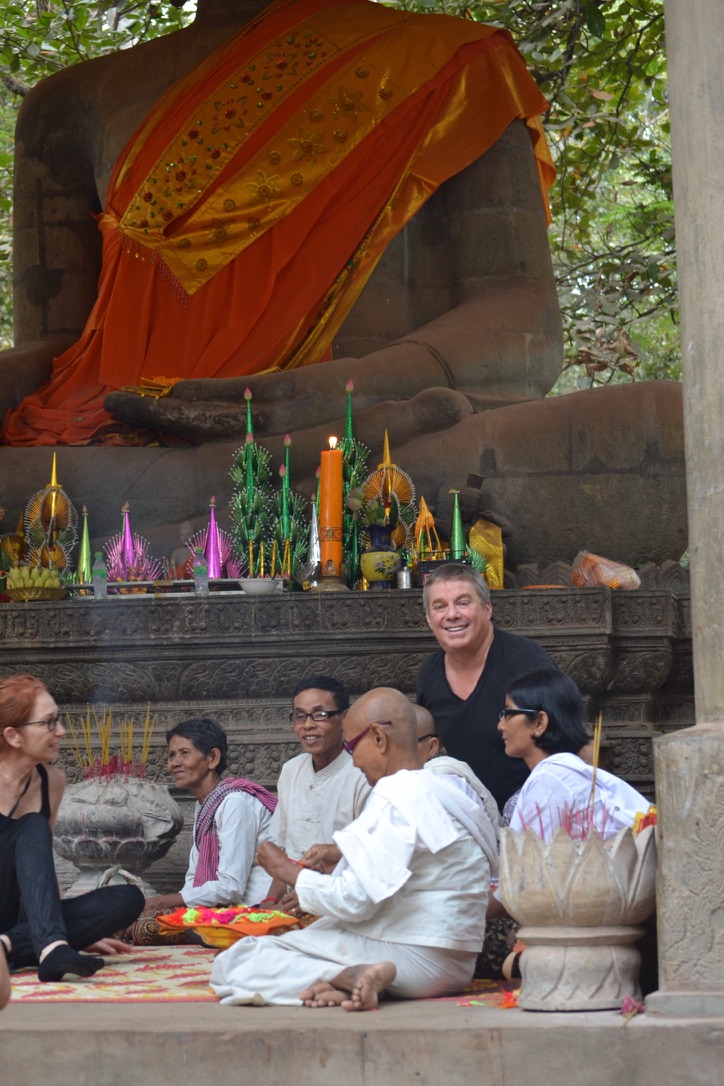
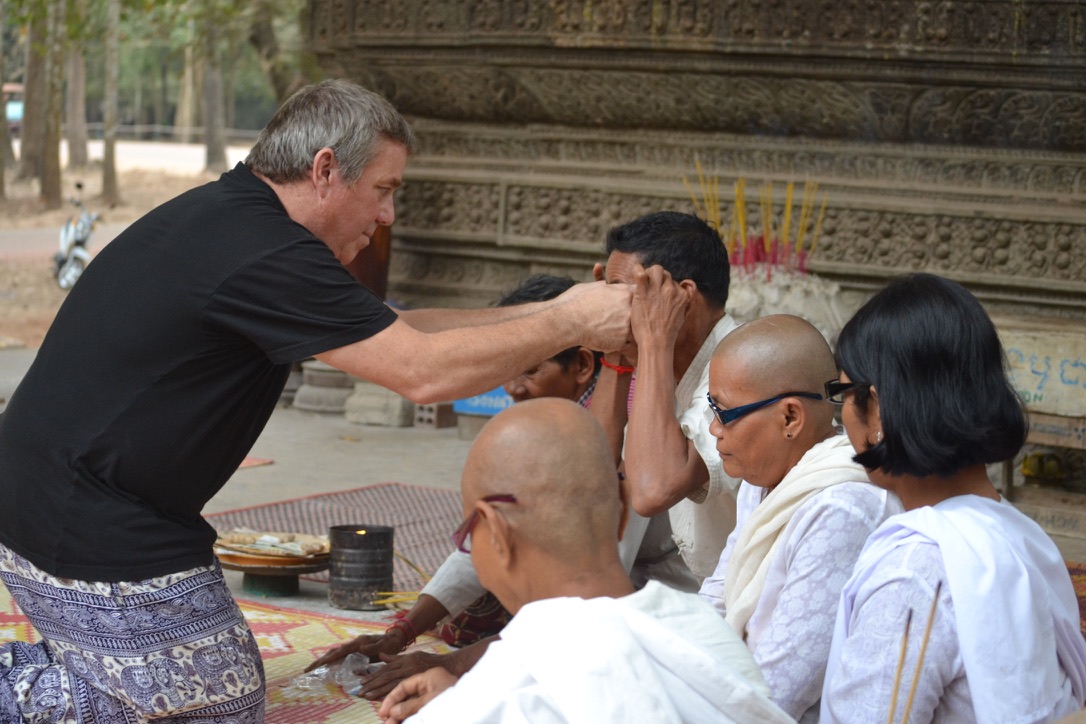
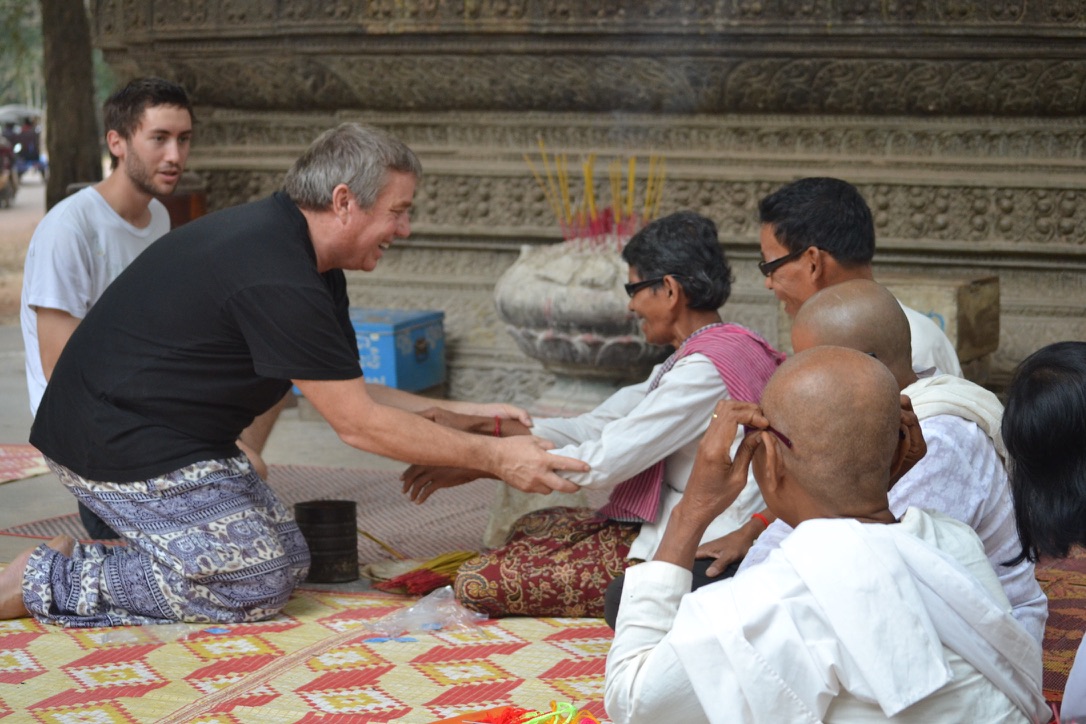
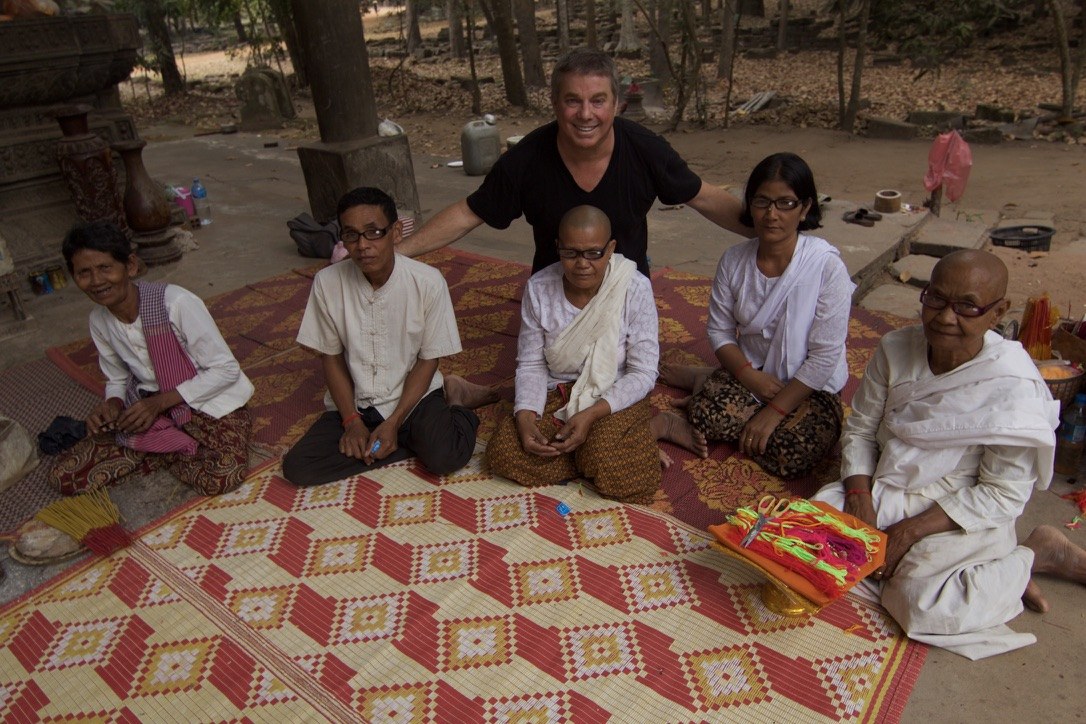
After the clinic closed, a monk whose pain we had relieved invited Steve to kneel for a traditional Buddhist water blessing. It was his way of saying thank you, and one of the most moving moments of the entire mission.

Reading glasses, around the world.
A simple pair of reading glasses lets a grandmother thread a needle, a farmer read a seed label and a monk read scripture again. Steve founded Steve's Vision many years ago, and it has given away tens of thousands of free reading glasses, carried on every mission and fitted on the spot, so people walk away seeing clearly the same day.
Visit the Steve's Vision website for the full story, including the Doc in a Box dental trailer and the vision trailer.
In Cambodia we fitted glasses for monks, nuns and elders at a Buddhist temple. Some were still wearing the price stickers when they came back to say thank you.
“The only hope for any of us is peace.”John Lennon, 1969
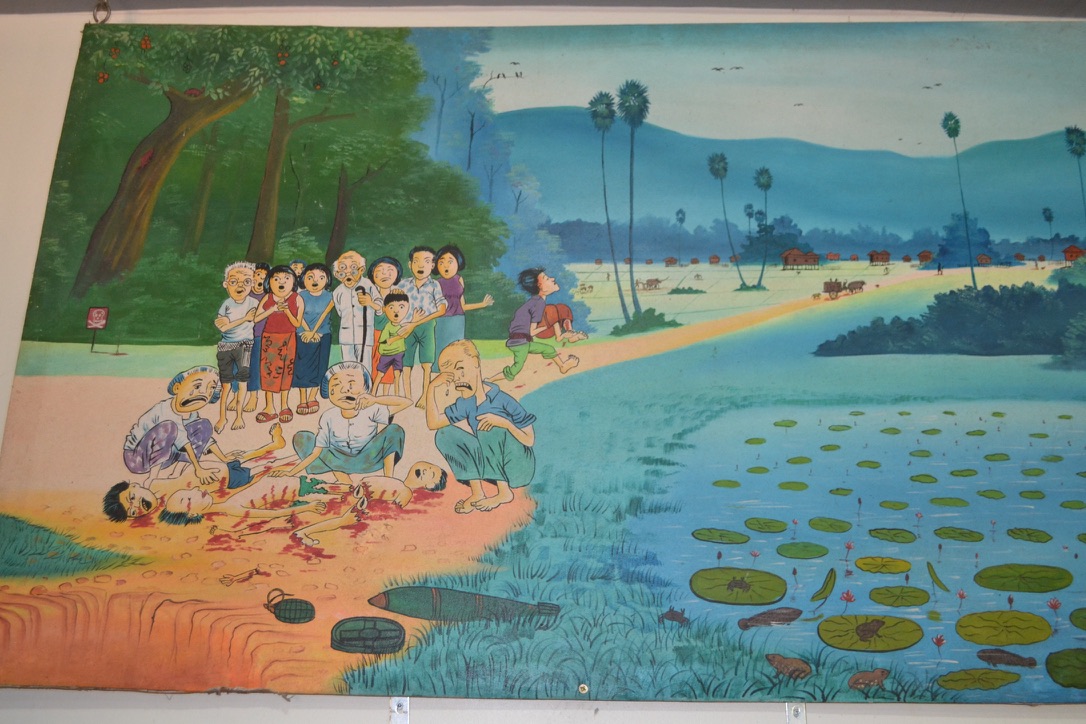
Where the war is still in the ground.
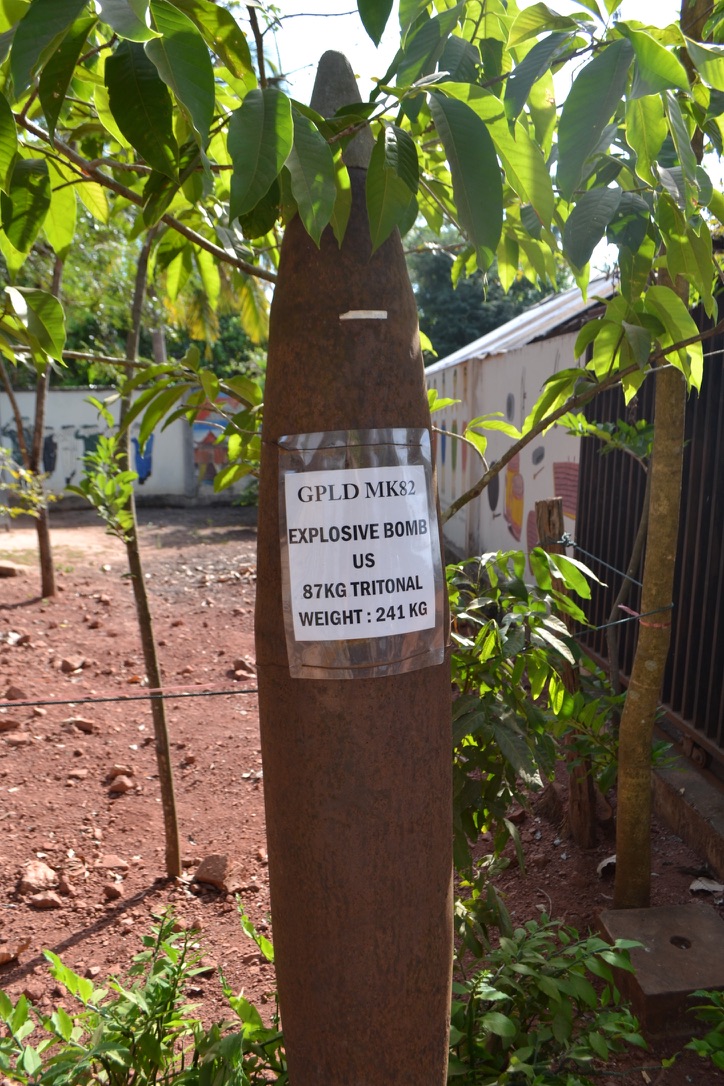
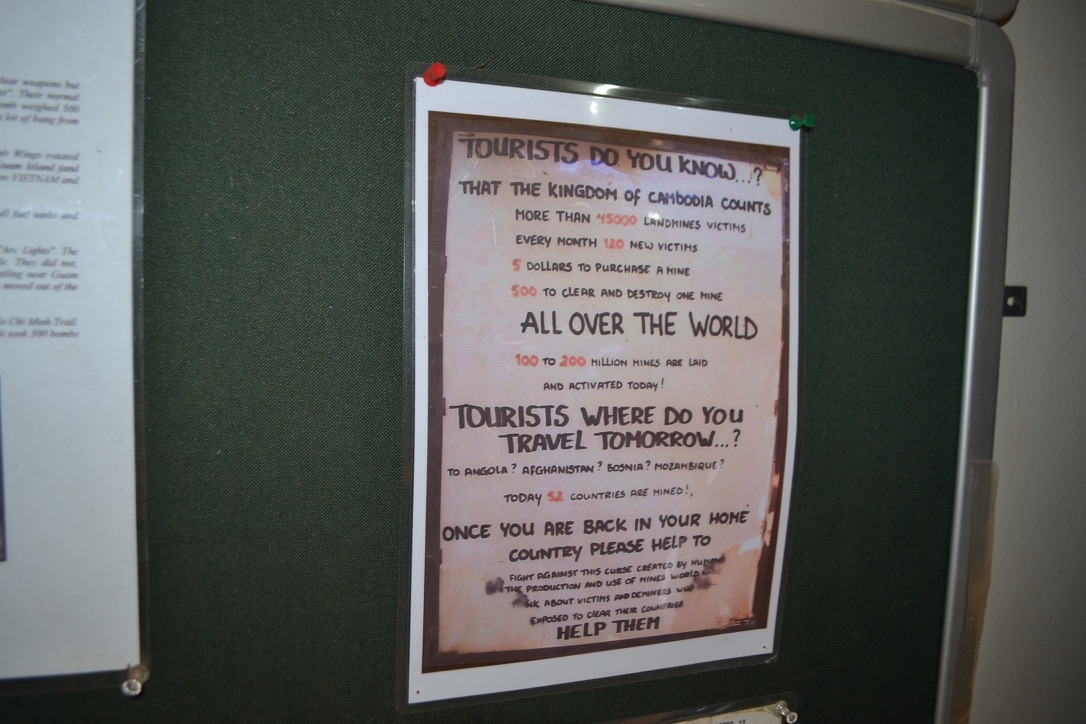
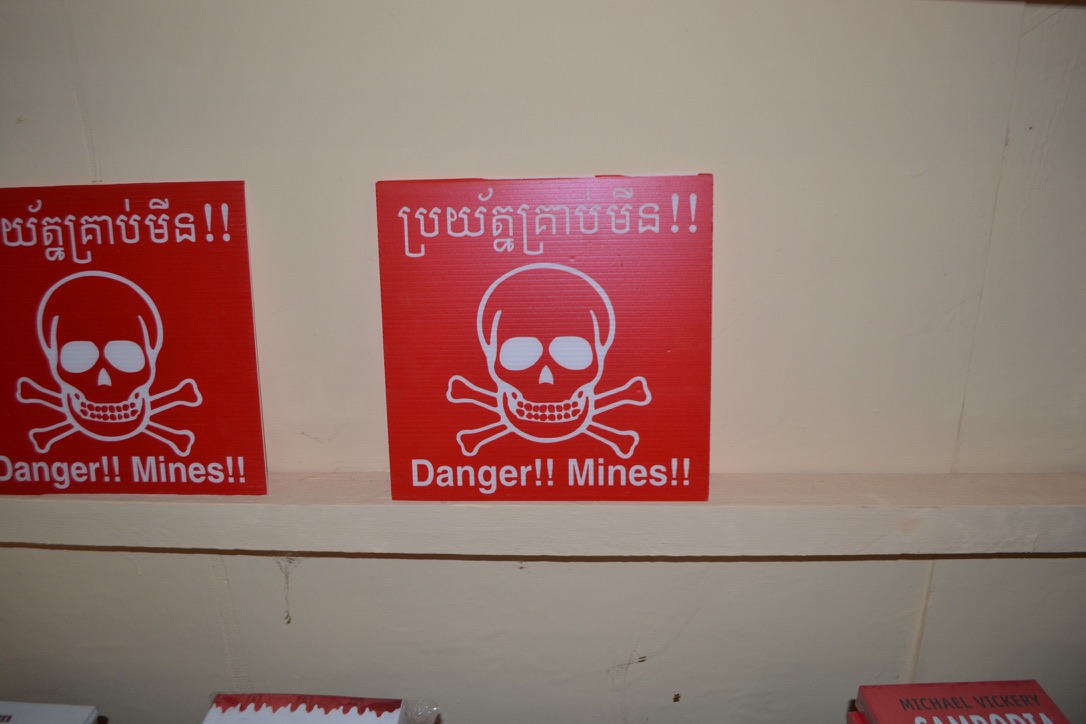
Outside Siem Reap, the Cambodia Landmine Museum was founded by Aki Ra, a former child soldier who went on to clear thousands of the mines he and others once laid. The museum shelters a school for children whose lives have been touched by landmines, and it is where our Oral Hygiene Initiative team gives fluoride treatments and toothbrushes to every student.
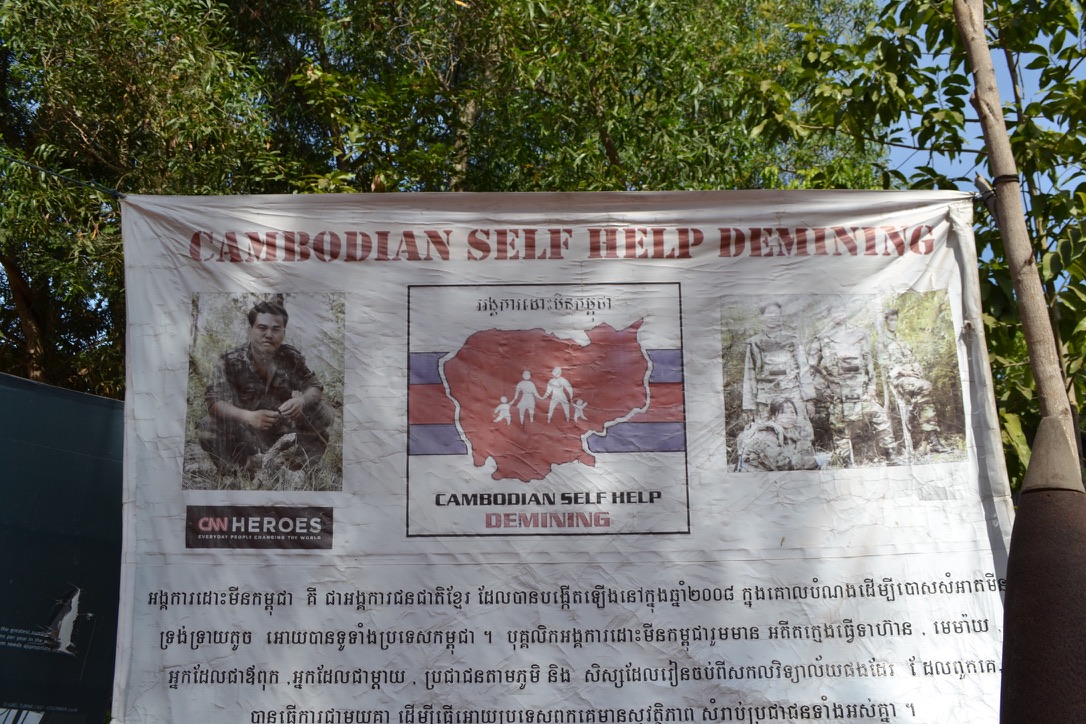
Aki Ra also founded Cambodian Self Help Demining, a Cambodian team that clears mines village by village, and he was honored as a CNN Hero for the work. His museum asks every visitor a simple question: once you are back home, will you help?
A day at the Killing Fields.
Every mission to Cambodia includes a visit to the Killing Fields at Choeung Ek, outside Phnom Penh. Under the Khmer Rouge, from 1975 to 1979, well over a million Cambodians died from execution, starvation and forced labor. The memorial stupa there holds the remains of thousands of victims.
We go because peace work starts with understanding what its absence costs. The landmines that still maim farmers and children are part of that same history, and so is every hand we fit.
Playing along with the landmine band.
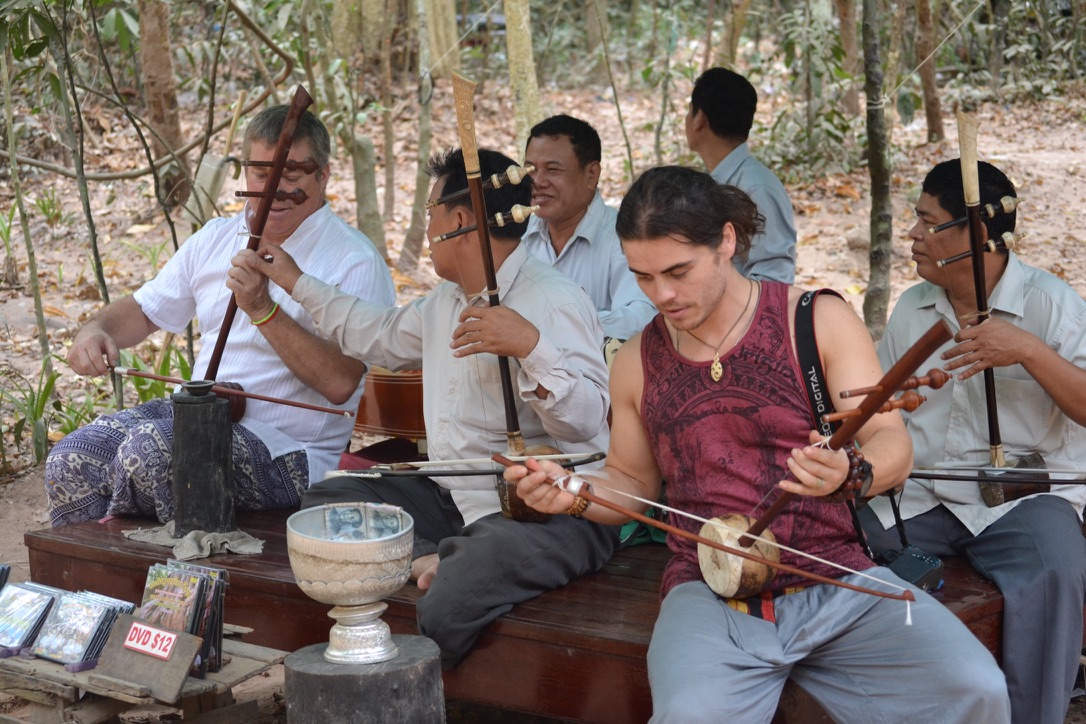
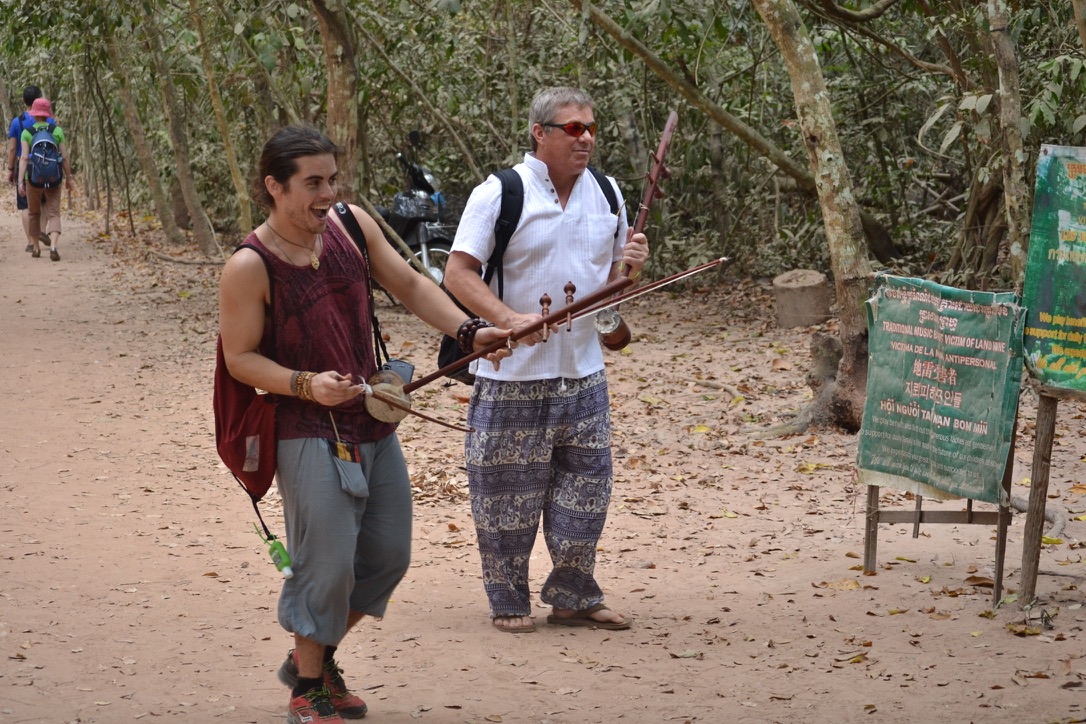
On the paths around the Angkor temples, a band of landmine survivors plays traditional Khmer music to earn a living with dignity. Steve and our team sat in with them, bows and all. It is one of the most joyful ways we know to say that survivors are musicians, parents and neighbors first.
The clinic at work.
Video coming soon. A film of the full mission, from setting up the tents to the landmine school, will be linked here.
Bring your skills.
Eye surgeons, dentists, eye care professionals, hygienists, Rotarians who can fit a hand and people who can simply carry boxes and hold a child's hand are all part of a mission. If you would like to go on the next one, or help your club plan one, the Rotary Club of Newport Beach would love to hear from you.